Cutting out a sewing pattern can feel intimidating when you are new to sewing. One minute you are happily choosing fabric and imagining the lovely finished dress, bag, cushion, or pair of pajama pants, and the next minute you are standing over a table with tissue paper, scissors, pins, and a quiet fear that one wrong snip will ruin the whole thing.
The good news? Cutting out a sewing pattern is not nearly as scary as it looks.
Like most beginner sewing skills, it becomes much easier once you understand what each step is actually doing. A sewing pattern is simply a guide. It tells you what shapes to cut, how many pieces you need, which direction they should sit on the fabric, and where the important sewing marks need to go.
Once you learn how to read those pieces, follow the grainline, transfer your markings, and keep everything organised, you will feel much more confident starting any sewing project. And yes, even those slippery tissue pattern pieces do eventually stop feeling like they are plotting against you.
If you are still building your confidence, you might also like these easy sewing projects for beginners. They are a lovely place to start once you understand the basics of cutting and preparing a pattern.
This beginner sewing guide will walk you through how to make, trace, lay out, and cut out a sewing pattern properly, with practical tips for avoiding the most common first-time mistakes.
What Is A Sewing Pattern?
A sewing pattern is a template used to cut fabric pieces for a sewing project. It might be printed on thin tissue paper, downloaded as a PDF sewing pattern, drafted by hand, or traced from an existing garment.
Most patterns include pattern pieces for each part of the project, a size chart, cutting instructions, grainline arrows, notches, matching marks, darts, pleats, fold lines, seam allowance information, and step-by-step sewing instructions.
For beginners, a good sewing pattern is worth its weight in chocolate. Look for patterns marked easy, beginner friendly, learn to sew, or simple sewing project. Starting with a basic tote bag, elastic-waist skirt, cushion cover, pajama pants, or simple top is far less stressful than tackling a lined jacket straight out of the gate.
Tools You Need For Cutting Out A Sewing Pattern
Before you begin, gather everything in one place. There is nothing more annoying than having fabric perfectly laid out and then realising your chalk pencil has disappeared into the same black hole as the good scissors.
You will need:
- Sewing pattern
- Fabric
- Paper scissors
- Fabric scissors or dressmaking shears
- Pins or sewing pattern weights
- Tape measure
- Tailor’s chalk, fabric pen, or washable marker
- Tracing paper or Swedish tracing paper, if tracing
- Ruler or pattern ruler
- Iron and ironing board
- Cutting mat and rotary cutter, optional but very handy
If you are building your first sewing kit, a sharp pair of dressmaking shears, a self-healing cutting mat, and a reliable rotary cutter make cutting fabric much less frustrating. You do not need every fancy gadget straight away, but good cutting tools really do make a difference.
If your stitching confidence needs a little warm-up before you start cutting into your good fabric, these printable sewing practice sheets are a helpful way to practise straight lines, curves, and corners before you start your project.
Step 1: Choose The Right Sewing Pattern For Your Skill Level
Before you cut anything, make sure the pattern suits both your project and your sewing confidence.
If you are a beginner, avoid patterns with lots of zippers, buttonholes, lining, collars, tricky curves, or advanced fitting unless you are feeling very brave. There is no shame in starting simple. In fact, simple projects are where you learn the skills that make the harder projects possible.
Good beginner sewing projects include tote bags, pillow covers, aprons, simple skirts, pajama pants, drawstring bags, basic tops, simple children’s clothing, and reusable fabric gift bags.
If you are not sure where to begin, a book with clear photos and beginner-friendly explanations can be a wonderful helper beside your sewing machine. This list of the best sewing books for beginners is a useful starting point if you like having instructions in front of you while you work.
Step 2: Take Your Measurements Before Choosing A Size
One of the biggest beginner sewing mistakes is choosing a sewing pattern size based on your ready-to-wear clothing size.
Please do not do this.
Pattern sizing and shop sizing are not the same thing, and if you choose your usual clothing size without measuring, you may end up with something that fits your left elbow beautifully and not much else.
Take your actual body measurements using a soft tape measure. For most garment sewing patterns, you will need your bust, waist, hip, and sometimes your back waist length. It is also helpful to check the finished garment measurements if the pattern includes them.
Compare your measurements with the pattern’s size chart. If you fall between sizes, check the pattern instructions and consider the type of garment. Loose-fitting items are more forgiving, while fitted garments may need blending between sizes.
This is also a good time to check whether seam allowance is included. Some sewing patterns include seam allowance, while others require you to add it yourself.
Step 3: Read The Pattern Instructions Before Cutting
I know. Reading instructions before starting feels painfully sensible, and we are all guilty of skipping ahead when we are excited about new fabric.
But sewing patterns often include important notes before the actual sewing begins.
Look for fabric recommendations, yardage requirements, cutting layout, seam allowance, directional print notes, interfacing requirements, pattern markings, finished measurements, and any special cutting instructions.
If your fabric has a directional print, nap, stripe, plaid, or obvious one-way design, you may need extra fabric and a different cutting layout. This matters for fabrics such as velvet, corduroy, flannel, fleece, and anything with a design that clearly runs one way.
Nobody wants upside-down reindeer on the back of a Christmas apron unless that was the plan.
Step 4: Prepare Your Fabric Before Cutting
Always prepare your fabric before cutting out your sewing pattern.
For most washable fabrics, this means pre-washing and drying the fabric the same way you plan to wash the finished item. This helps remove shrinkage, excess dye, and factory finishes.
After washing, press the fabric well so it is smooth and flat. Wrinkles can distort the pattern pieces and make your cuts less accurate.
Before cutting, check that your fabric is clean and dry, pressed flat, sitting straight on the grain, and free from obvious flaws or marks. You should also make sure the print direction is correct before you place any pattern pieces.
If you are practising on a small project first, reusable bags are a brilliant way to learn cutting, folding, and straight seams without too much pressure. These reusable shopping bags to sew are a practical next project once you feel ready to cut fabric pieces with more confidence.
Step 5: Cut Or Trace The Paper Sewing Pattern
Now you need to decide whether to cut the original pattern or trace it.
If you are using a printed tissue pattern and only need one size, you can cut along the size lines. Use paper scissors for this, not your good fabric scissors. Fabric scissors are sacred in a sewing room. Everyone in the house should know this.
If you want to preserve the original pattern, trace your size onto tracing paper first. This is especially useful when the pattern includes multiple sizes, you may need a different size later, you are sewing for children, you want to make fit adjustments, or you are using a vintage or expensive pattern.
When tracing, copy all important markings, including grainlines, notches, darts, pleats, fold lines, and pattern names.
Step 6: Understand The Grainline Before Laying Out Pieces
The grainline is one of the most important parts of pattern cutting.
Most pattern pieces have a long arrow printed on them. This arrow should sit parallel to the fabric selvedge. The selvedge is the finished edge running along each side of the fabric.
Why does this matter?
Because fabric behaves differently depending on the direction it is cut. If your pattern pieces are off-grain, the finished garment may twist, hang strangely, or stretch in odd places. This is one of those little sewing details that makes a big difference.
To check the grainline, lay your fabric flat and find the selvedge edge. Place the pattern piece on the fabric, then measure from one end of the grainline arrow to the selvedge. Measure from the other end of the arrow to the selvedge and adjust until both measurements are the same.
Once the grainline is straight, pin or weight the pattern piece in place.
Step 7: Lay Out Your Pattern Pieces On The Fabric
Follow the cutting layout included with your pattern. This layout is designed to help you place the pieces correctly and make the best use of your fabric.
Pay attention to pattern instructions such as cut 1 on fold, cut 2, cut 2 mirrored, cut from main fabric, cut from lining, cut from interfacing, place on fold, right side up, and wrong side up.
If a pattern piece says “place on fold,” line that edge up exactly with the folded edge of the fabric. Do not cut along the fold unless the pattern specifically tells you to. When opened, the piece will be symmetrical.
For directional prints, make sure all pieces face the same way. This is especially important for fabric with animals, flowers, stripes, words, novelty prints, or seasonal designs.
Step 8: Pin Or Weight The Pattern Pieces
Once your pattern pieces are positioned correctly, secure them before cutting.
You can use pins or pattern weights. Pins are traditional and work well for most cotton fabrics. Pattern weights are useful for delicate fabrics, knits, slippery fabrics, or if you are using a rotary cutter.
When pinning, pin inside the cutting lines, keep the fabric smooth but not stretched, use enough pins to hold the pattern steady, and pin curves carefully. Try not to lift the fabric too much as you work.
If you are using weights, make sure the pattern piece cannot shift while cutting. Random pantry tins absolutely count as emergency pattern weights. We are crafters. We improvise.
Step 9: Cut Out The Fabric Pieces Carefully
Use sharp fabric scissors or a rotary cutter to cut around each pattern piece.
Try to keep the fabric flat on the table while cutting. Avoid lifting the fabric into the air, as this can shift the layers and distort the shape.
Cut slowly around curves, corners, notches, darts, small pieces, armholes, and necklines.
For notches, cut small outward triangles or tiny snips into the seam allowance, depending on your preference and pattern instructions. Notches are matching points, so do not skip them. They help you line up seams correctly later.
If your pattern has multiple sizes printed close together, double-check that you are cutting the correct size line before you start. This tiny pause can save a lot of muttering later.
Step 10: Transfer Pattern Markings To The Fabric
Before removing the paper pattern pieces, transfer all markings onto the fabric.
Common sewing pattern markings include darts, pleats, buttonholes, pocket placement, notches, gathering points, fold lines, centre front, centre back, and zipper placement.
You can transfer markings using tailor’s chalk, a washable fabric pen, tracing wheel and dressmaker’s carbon paper, pins, or tailor’s tacks.
Always test your marking tool on a scrap of fabric first. Some fabric pens do not wash out as politely as promised, and nobody needs a blue dot permanently sitting on the front of a handmade blouse.
Step 11: Keep Your Cut Pieces Organised
Once everything is cut, keep the fabric pieces together and labelled if needed.
This is especially important for patterns with lots of small pieces, lining pieces, or pieces that look similar. You can pin the paper pattern piece to the fabric piece until you are ready to sew, or use sticky notes and clips.
Keep left and right pieces together, separate main fabric from lining and interfacing, label similar-looking pieces, and keep small pieces in a zip bag or tray.
Do not throw away scraps until the project is finished. Sometimes you need a scrap later for testing stitches, making bias strips, repairing a mistake, or cutting a forgotten piece. Ask me how I know.
Common Beginner Mistakes When Cutting Out Sewing Patterns
Cutting out a pattern is simple once you get used to it, but there are a few common mistakes that trip up beginners.
Cutting Fabric Before Pre-Washing
If the finished project will be washed, pre-wash the fabric first. Fabric can shrink, and cutting before washing may affect the size and fit of your project.
Ignoring The Grainline
The grainline affects how the finished item hangs, stretches, and behaves. Take the time to line it up properly.
Using The Wrong Scissors
Paper dulls fabric scissors quickly. Keep separate scissors for paper and fabric.
Forgetting To Transfer Markings
Those little dots, darts, and notches may not look exciting, but they are important. Transfer them before removing the pattern pieces.
Choosing The Wrong Size
Always use the pattern size chart, not your store-bought clothing size.
Cutting Both Layers The Same Way When Pieces Need To Be Mirrored
Some pieces need a left and right side. Check whether the pattern says cut 2 or cut 2 mirrored.
Beginner Tip: Make A Practice Version First
If you are sewing a garment and using fabric you really love, consider making a test version first. This is often called a toile or muslin.
You can use inexpensive fabric to check the fit, length, ease, neckline, sleeve shape, waist placement, and any confusing construction steps.
This is especially useful for fitted garments. It may feel like extra work, but it can save your favourite fabric from becoming an oddly shaped learning experience.
Once you are ready for a real project, these quick 10-minute sewing patterns are perfect for building confidence without committing to a huge weekend-long sewing marathon.
How To Make Your Own Simple Sewing Pattern
If you want to make your own basic sewing pattern, start with a simple project rather than a fitted garment.
Good first pattern-drafting projects include drawstring bags, envelope cushion covers, simple aprons, fabric bookmarks, tote bags, elastic-waist skirts, and basic fabric baskets.
To make a simple sewing pattern, decide the finished size of your project, add seam allowance to each edge, draw the shape onto paper, label each piece clearly, add grainline arrows if needed, and mark folds, openings, straps, pockets, or placement lines.
Cut a test version from scrap fabric first, then adjust the pattern before using your good fabric.
For beginners, pattern drafting is easiest when you start with straight seams and simple shapes. Once you understand how fabric pieces come together, you can move on to curves, shaping, and garment fitting.
If you want to try a simple garment after practising with bags and home décor projects, these free skirt patterns and tutorials are a lovely next step because they help you practise measuring, cutting, and fitting without being too complicated.
Best Beginner Sewing Projects For Practising Pattern Cutting
If you want to build confidence, choose projects that let you practise cutting without too much pressure.
Try reusable fabric gift bags, simple tote bags, fabric napkins, cushion covers, scrunchies, aprons, drawstring pouches, pajama pants, simple skirts, and fabric baskets.
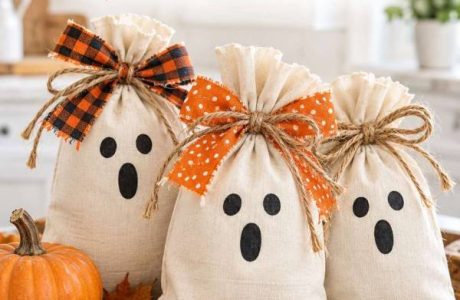
Reusable gift bags are especially good for beginners because they are practical, forgiving, and a brilliant way to use up fabric from the stash. These free sewing patterns for reusable Christmas gift bags are a useful project to bookmark for holiday sewing, but honestly, fabric gift bags work all year round.
If bags are your favourite thing to sew, you might also enjoy these simple sewing patterns for handmade bags. They are a nice step up once you are comfortable cutting fabric pieces and following a layout.
Sewing Pattern Cutting FAQ
What is the best way to cut out a sewing pattern?
The best way to cut out a sewing pattern is to prepare your fabric first, press it flat, follow the cutting layout, line up the grainline correctly, and secure the pattern pieces with pins or weights. Use sharp fabric scissors or a rotary cutter and cut slowly around the pattern edges.
Do you cut on the line when cutting out a sewing pattern?
In most cases, yes, you cut along the printed cutting line for your chosen size. However, always check the pattern instructions. Some patterns include seam allowance, while others require you to add it before cutting.
Should I trace a sewing pattern or cut it out?
If you only need one size and the pattern is easy to replace, cutting it out is fine. If the pattern includes multiple sizes, is expensive, vintage, or likely to be used again, tracing is the better option.
What scissors should I use for cutting fabric?
Use sharp dressmaking shears or fabric scissors. Do not use the same scissors for paper and fabric, as paper will dull the blades. A rotary cutter and cutting mat can also be useful, especially for straight edges and quilting cotton.
How do I stop fabric from moving while cutting?
Make sure your fabric is pressed flat and fully supported on the table. Use enough pins or pattern weights to stop the pattern from shifting. Cut with slow, steady movements and avoid lifting the fabric while cutting.
What are notches on a sewing pattern?
Notches are small marks on the edge of pattern pieces that help you match fabric pieces together when sewing. They are especially useful for sleeves, side seams, waistbands, and curved seams.
What does “cut on fold” mean?
Cut on fold means placing the marked edge of the pattern piece directly on the folded edge of the fabric. When the fabric is opened, you will have one complete symmetrical piece.
Why does grainline matter in sewing?
The grainline controls how the fabric hangs and stretches. If your pieces are cut off-grain, the finished project may twist, pull, or sit unevenly.
A Little Confidence Before You Cut
Learning how to cut out a sewing pattern is one of those skills that feels fiddly at first, but quickly becomes second nature. Take your time, read the instructions, check your grainlines, and transfer your markings before removing the pattern pieces.
The more you practise, the less intimidating it becomes. Before long, you will be smoothing out fabric, lining up pattern pieces, and cutting with the calm confidence of someone who definitely owns more fabric than they planned to.
And honestly, that is half the joy of sewing.
Sewing patterns are essential tools for creating beautifully tailored garments and projects. Whether you’re a novice or an experienced sewer, understanding how to make and cut out a sewing pattern is fundamental for achieving professional results. In this detailed guide, we’ll walk you through the step-by-step process of making and cutting out a sewing pattern, covering everything from choosing the right size to transferring markings onto fabric.