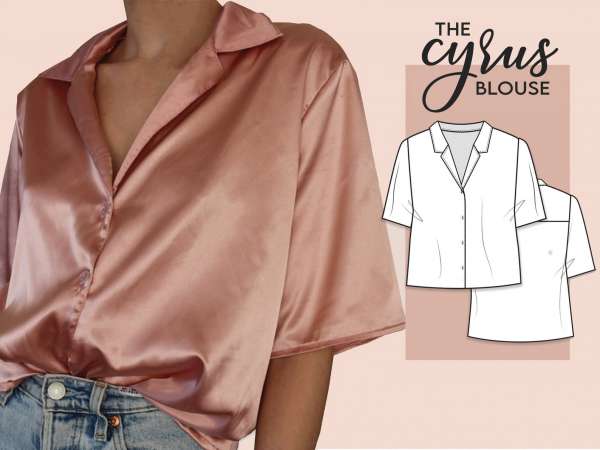
Button up shirt – Notched collar – Sewing Pattern instant PDF download
Cut in a boxy, oversized silhouette with bell sleeves and back yoke detail.
You can grab this pattern here via Etsy.
Youtube Instructions:
Patterns, Techniques, Articles, Blogs, and other resources to learn how to sew

Button up shirt – Notched collar – Sewing Pattern instant PDF download
Cut in a boxy, oversized silhouette with bell sleeves and back yoke detail.
You can grab this pattern here via Etsy.
Youtube Instructions:

There are very few sewing phrases more satisfying than, “Thanks, I made it… and yes, it has pockets.”
Honestly, pockets can turn a simple handmade dress, skirt, pair of pants, or jumpsuit into something you actually reach for again and again. Pretty fabric is lovely, a good fit is important, but pockets? Pockets are the little sewing luxury that make a handmade garment feel properly useful.
If you have ever finished a dress and then immediately wished you had somewhere to pop your keys, tissues, lip balm, phone, or the mysterious button you found on the floor and decided you’d “deal with later,” then in-seam pockets are about to become your new favourite garment-sewing trick.
In-seam pockets are hidden in the side seams of a garment, so they don’t interrupt the outside design. They work beautifully in skirts, dresses, loose pants, culottes, jumpsuits, and tunics. They are also one of those beginner-friendly sewing upgrades that looks much fancier than it really is.
For the full step-by-step sewing directions and free pocket pattern, head over to Tilly and the Buttons for their helpful tutorial on how to add in-seam pockets to a garment.
Because handmade clothes should be beautiful and practical.
In-seam pockets are ideal when you want pockets that are useful but not too obvious. Unlike patch pockets, which sit on the outside of the garment, in-seam pockets are sewn into the side seams. From the outside, they are almost invisible, but they give you that glorious little place to stash the things you don’t want to carry in your hands.
They are especially good for:
They are also a clever way to upgrade a sewing pattern that doesn’t already include pockets. And let’s be honest, once you learn how to add pockets, you may start side-eyeing every pocketless pattern in your stash.
In-seam pockets are pocket bags sewn into the side seams of a garment. Each pocket is made from two fabric pieces, one attached to the front garment piece and one attached to the back garment piece. When the side seam is sewn, the pocket pieces are stitched together to create a hidden pocket bag.
The opening sits along the side seam, usually around hip level.
They are popular because they are neat, comfortable, and easy to add to many simple garment patterns. They also don’t require complicated drafting or visible topstitching, which makes them a good confidence-building project for beginner garment sewists.
The best pocket fabric depends on the garment you are sewing.
For lightweight dresses and skirts, use a light cotton lawn, voile, poplin, or the same fabric as the garment if it isn’t too bulky.
For medium-weight garments, quilting cotton or cotton poplin works well.
For pants, jumpsuits, or heavier skirts, choose something sturdy enough to hold shape but not so thick that it creates lumpy side seams.
If your outer fabric is precious, sheer, or bulky, you can use a lighter coordinating fabric for the pocket bags. This is also a great little scrap-busting opportunity, and we all know the scrap bin is not exactly suffering from loneliness.
For cottons, thread, fabric bundles, and basic sewing notions, Fat Quarter Shop and Connecting Threads are both useful sources to browse. Amazon is also handy for interfacing, seam gauges, fabric clips, chalk markers, and other small tools that make garment sewing a little less fiddly.
To add in-seam pockets, you will need:
The Tilly and the Buttons tutorial includes a free pocket pattern, which makes this even easier if your current sewing pattern doesn’t already include pocket pieces.
Pocket placement matters more than people realise.
Too high, and the pocket feels awkward. Too low, and you’ll be doing a strange little shoulder dip every time you try to use it. A good starting point is to place the top of the pocket opening a little below your natural waist, around the point where your hand naturally rests at your side.
Before sewing, hold the garment piece against your body and mark where your hand comfortably reaches. If you are adding pockets to a pattern you have made before, try the garment on and mark the pocket opening with pins or chalk.
For children’s clothing, the pocket opening will usually sit higher and be smaller. For adult dresses and skirts, make sure the pocket bag is deep enough to hold a phone without it trying to escape every time you sit down.
Press everything as you go. Pockets may be hidden, but bulky unpressed seams can still affect how the garment hangs.
Finish the raw edges while the pieces are flat. It is much easier than wrestling with seam allowances after the pocket is already attached.
Use interfacing around the pocket opening if your fabric is lightweight or loosely woven. This helps stop the opening from stretching out with use.
Make both pockets at the same time. Sewing one pocket completely and then going back to make the second one can lead to tiny placement differences.
Mark clearly. A pocket opening that starts half an inch higher on one side is the kind of thing that will annoy you every time you wear the garment.
You need pocket pieces for both sides of the garment. Make sure the pieces mirror each other so the pockets point in the correct direction.
Pockets need room for your hand. If the opening starts too high, it can be uncomfortable or pull the side seam out of shape.
Heavy pocket fabric can create bulky side seams, especially in a lightweight dress or skirt.
If your pocket opening gets a lot of use, a little interfacing can help strengthen the seam and keep the opening from stretching.
Pocket bags get handled, washed, and used. Finished seams help keep everything tidy inside the garment.
Yes, sometimes.
It is easiest to add in-seam pockets while you are sewing the garment, before the side seams are fully constructed. But if you have a finished dress, skirt, or pair of loose pants with accessible side seams, you may be able to unpick part of the side seam and insert pockets.
This works best on garments with enough ease through the hip area. If the garment is very fitted, adding pockets may create pulling or bulk.
If you are altering a finished garment, try it on first and mark your ideal pocket placement. Then unpick carefully, press the seam open, and add the pocket pieces using the same basic method as you would for a new garment.
If you are new to adding pockets, start with a simple project.
Good practice projects include:
A gathered skirt is especially forgiving because the extra fullness helps hide any minor pocket bulk. If you want more pocket-friendly sewing inspiration, browse the CraftGossip sewing archives for beginner garment ideas and simple sewing tutorials.
You may also like this older CraftGossip feature on adding inseam pockets to a garment, which is a handy extra reference if you’re collecting pocket tutorials.
Once you know how to add in-seam pockets, you can customise so many handmade garments. It is a small sewing skill, but it makes a big difference to how wearable your finished projects feel.
It also gives you more control over sewing patterns. Love the dress but annoyed it has no pockets? Add them. Making pajama pants and want somewhere for tissues? Add pockets. Sewing an apron and need somewhere for your phone while you wander around pretending you’re only doing “five minutes” of garden work? Definitely add pockets.
In-seam pockets are practical, neat, and beginner-friendly enough to try without needing advanced garment sewing skills.
For the full tutorial and free pocket template, visit Tilly and the Buttons and follow their directions for adding in-seam pockets to a garment.
Because really, if we are going to put the effort into sewing our own clothes, they may as well have pockets.