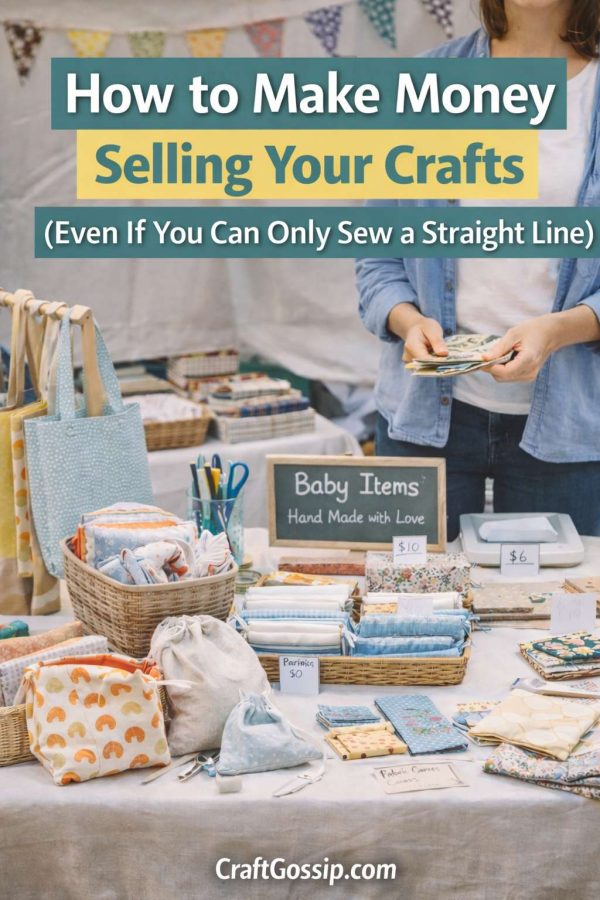
Let’s clear something up straight away: if you can sew a straight line, you are already skilled enough to make money from your crafts.
You don’t need to draft patterns, insert invisible zippers, or understand tailoring terminology. You don’t need a fancy sewing room or a cupboard full of specialty tools. And you definitely don’t need to wait until you feel “good enough.”
Some of the most reliable, best-selling handmade items are made with the simplest sewing skills — and often, they sell better than complex, highly detailed pieces.
If you’ve ever thought, “I’d love to sell my crafts, but I’m not advanced enough,” this article is for you.
Why Simple Sewing Skills Can Be a Huge Advantage
Beginner sewists often underestimate the value of simple sewing. But from a selling perspective, simplicity is a strength.
Straight-line sewing projects are:
- Faster to make
- Easier to repeat consistently
- Less stressful to produce in batches
- More affordable for customers
When people buy handmade items, they’re usually not looking for complexity — they’re looking for usefulness, durability, and something that fits easily into everyday life.
Simple, well-made items often outsell intricate ones because they’re practical and approachable.
What Actually Sells When You Can Only Sew Straight Lines
You don’t need complicated construction to create products people want to buy. In fact, many beginner-friendly sewing projects are already proven sellers.
Reusable and Eco-Friendly Items
Reusable fabric items are consistently popular and ideal for straight-line sewing.
These include:
- Reusable shopping bags
- Produce bags
- Snack pouches
- Bread bags
- Gift wrap alternatives
They’re quick to make, use minimal materials, and appeal to eco-conscious buyers who want practical alternatives to disposables.
Everyday Home Items
Home sewing projects sell well because they’re useful, giftable, and easy to style.
Straight-line favourites include:
- Cushion covers
- Table runners
- Placemats
- Fabric napkins
- Tea towels
Neutral colours, simple patterns, and natural fabrics tend to perform best, especially at markets and online.
Bags, Totes, and Pouches
You don’t need curves or complex shaping to sell bags.
Beginner-friendly options include:
- Tote bags
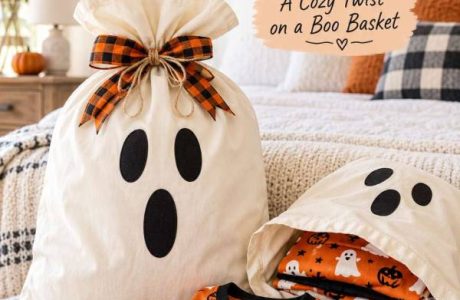
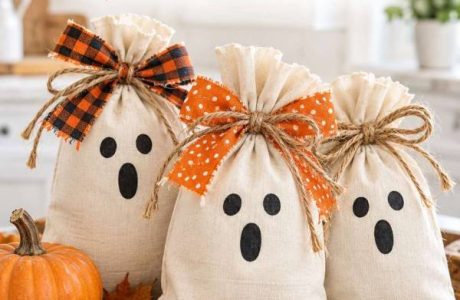
- Drawstring bags
- Zipper pouches
- Book sleeves
- Project bags
These items are ideal for batch sewing and are popular across a wide range of ages and uses.
Baby and Gift Items
Baby items are forgiving to sew and always in demand.
Simple sellers include:
- Burp cloths
- Bibs
- Blanket squares
- Changing mat covers
Parents and gift buyers care more about softness, quality, and practicality than technical sewing details.
Where to Start Selling as a Beginner
You don’t need a full business plan or a polished brand to start selling your crafts.
Beginner-friendly places to sell include:
- Local craft markets and fairs
- School fundraisers and community events
- Etsy and similar marketplaces
- Facebook Marketplace and local buy/sell groups
Starting small allows you to test what sells without pressure. Even selling a handful of items builds confidence and real-world feedback.
Pricing Handmade Items Without Undervaluing Yourself
Pricing is one of the hardest parts for beginner sellers, especially when you’re still learning.
A simple pricing approach:
- Calculate material costs
- Add a fair hourly rate (even if it’s modest)
- Include platform fees, packaging, and small overheads
Just because your sewing skills are basic doesn’t mean your time has no value. Buyers are paying for:
- Materials
- Time
- Handmade care
- Convenience
Underpricing leads to burnout far faster than slow sales.
Why Consistency Matters More Than Skill
Here’s an important truth: consistency will take you further than advanced skills.
Being able to:
- Make the same item repeatedly
- Maintain similar quality
- Deliver orders on time
…is what builds trust with buyers.
Straight-line sewing makes consistency achievable, which is why it’s such a strong foundation for selling crafts.
Improving Your Sewing While You Sell
Selling simple crafts doesn’t lock you into beginner skills forever. In fact, repetition is one of the fastest ways to improve.
When you sew the same item again and again, you naturally:
- Sew straighter seams
- Work more efficiently
- Improve finishing
- Gain confidence
You’re learning while earning — without pressure.
The Confidence Shift That Changes Everything
Instead of asking, “Am I good enough to sell this?” try asking:
- Is it useful?
- Is it well made?
- Would I be happy to receive it as a gift?
If the answer is yes, you’re ready.
Selling handmade items isn’t about perfection or advanced techniques. It’s about creating thoughtful, practical products that people genuinely want.
And if all you can sew is a straight line?
That’s not a limitation — it’s your starting point.