• Home
  • Suggest A DIY
  • DIY Newsletter

Sewing

Patterns, Techniques, Articles, Blogs, and other resources to learn how to sew

  • About CraftGossip
  • Our Network
    • Bath & Body Crafts
    • Candle Making Ideas
    • Crochet Ideas
    • Cross Stitch
    • Edible Crafts
    • Felting Patterns
    • Glass Art
    • Home & Garden Ideas
    • Indie Crafts
    • Jewelry Making
    • Kids Crafts
    • Knitting Patterns
    • Lesson Plans
    • Needlework
    • Party Ideas
    • Polymer Clay
    • Quilting Ideas
    • Recycled Crafts
    • Scrapbooking
    • Sewing Patterns
    • Card Making
    • DIY Weddings
    • Not Craft Ideas
  • Giveaways
  • Roundups
  • Store
  • Search

The Perfect Sewing Guide for Making Indian Clothes

May 28, 2025 by Shellie Wilson

Okay, real talk—how many of you have bought a beautiful piece of fabric for a kurta or lehenga, only to have it sit in your stash because sewing Indian clothes feels way too intimidating? I’ve been there. Between the tricky necklines, those pesky side slits, and fabrics that behave like they have a mind of their own, it’s easy to feel overwhelmed.

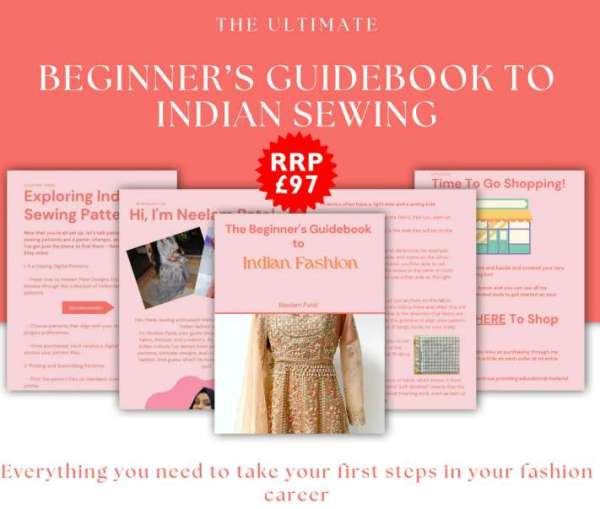
That’s why I got stupid excited when I found The Ultimate Beginner’s Guidebook to Sewing Indian clothes on Etsy. And no, this isn’t some generic sewing manual—it’s actually useful for making Indian outfits!

Why This Guide is a Game-Changer for Indian Sewing

Explains fabrics that actually matter to us – Georgette, chiffon, cotton voile…finally understand which ones to use for kurtas vs. lehengas

 Teaches how to handle slippery fabrics (because we all know what happens when you try to sew chiffon without a clue)

 Includes proper seam finishing techniques – crucial for those delicate Indian fabrics that fray if you look at them wrong

 Digital download = instant help when you’re in the middle of a sewing crisis at 2 AM

What Makes It Different From Other Guides?

Most beginner books focus on Western-style sewing, but this one actually helps with stuff we care about:

  • How to sew a neat keyhole neckline (without it looking homemade)
  • Tips for sewing side slits that lay flat instead of bunching up
  • Working with linings for those fancy anarkalis and lehengas
  • Adjusting patterns for the perfect kurta length (not too short, not too “auntyji”)

Who Should Grab This?

 Absolute beginners who’ve never touched a sewing machine but want to make simple kurtas
Self-taught sewists who keep struggling with finicky Indian fabrics

 Anyone who wants to stop depending on tailors (and save some serious money)

The Best Part?

You don’t have to wade through 500 pages of irrelevant info. It’s just the essential basics explained clearly, with pictures that actually help. I wish I had this when I first tried sewing my husband a Pathani suit—would’ve saved me from that lopsided collar disaster!

Ready to finally make that salwar kameez you’ve been dreaming of?
Check out the guide here

Pro Tip: Pair this with a simple kurta pattern (like the one from The Tunic Bible we talked about last month) and you’ll be unstoppable!

Anyone else struggle with sewing Indian clothes? What’s your biggest headache—slippery fabrics? Necklines? Share your pain in the comments!

P.S. If you want to see the guide in action, I’m thinking of doing a “Sew Your First Kurta” series—let me know if you’d find that helpful! ?
«
»

Have you read?

Craft Fair vs Etsy: Where Beginners Actually Make Their First Sales

If you’re thinking about selling your handmade sewing items, this is usually the first big question that pops up:
Should I start with a craft fair… or open an Etsy shop?

It sounds like a simple choice, but it’s one that trips up a lot of beginners. Some people jump straight into Etsy and feel disappointed when sales don’t roll in. Others book a market stall and come home exhausted, wondering if it was worth it.

The truth is, neither option is “better” across the board. But one of them is often far easier for beginners to make their very first sale — and that first sale matters more than almost anything else.

Let’s break it down honestly.

What Beginners Really Need (Before Making Any Sales)

Before talking platforms, it helps to be clear about what beginners actually need — not what sounds impressive.

Most new sellers need:

  • Confidence that people will pay for their handmade items

  • Feedback from real customers

  • A low-pressure way to test products and prices

  • Proof that selling is possible before committing long-term

The goal isn’t to build a business overnight. It’s to make that first sale and learn from it.

Selling at Craft Fairs: Why They Work So Well for Beginners

Craft fairs, markets, and local stalls are often where beginners make their first real sales — and there are some very good reasons for that.

Immediate, In-Person Feedback

At a craft fair, people can see, touch, and feel your items. They can ask questions. They can pick things up and imagine using them at home.

That removes a huge barrier to buying — especially for handmade goods.

You also get instant feedback:

  • Which items people pick up

  • What they comment on

  • What they ask about

  • What they actually buy

This kind of insight is incredibly valuable when you’re just starting out.

No Algorithm to Fight

One of the hardest things about Etsy is visibility. You can have beautiful products and still get buried under thousands of listings.

At a craft fair, everyone walking past your stall can see your work. You’re not competing with search rankings or keywords — just attention and presentation.

For beginners, that’s often a much gentler learning curve.

Easier to Sell Simple Items

Straight-line sewing projects often do particularly well at markets.

Things like:

  • Tote bags

  • Pouches

  • Table runners

  • Baby items

  • Reusable fabric goods

These items make sense immediately in person. Buyers don’t need a long explanation — they can see the value straight away.

Lower Emotional Barrier to the First Sale

That first sale hits differently when you hand an item to someone and watch them smile.

It builds confidence fast and reminds you that your work has real value. For many beginners, that moment is what makes selling feel possible instead of intimidating.

Etsy: Why It’s Appealing (But Harder at First)

Etsy is often the first place people think of when selling handmade items — and it can be brilliant. But it’s not always beginner-friendly in the way people expect.

Etsy Is a Long Game

Most Etsy shops don’t make consistent sales right away.

New sellers often underestimate how much time goes into:

  • Writing listings

  • Taking photos

  • Understanding keywords

  • Learning Etsy’s search system

  • Driving traffic

It’s not just about making the item — it’s about being found.

No One Sees Your Shop Automatically

Unlike a market stall, Etsy doesn’t bring customers to you just because you’ve listed something.

Your shop competes with:

  • Thousands of similar items

  • Established sellers with reviews

  • Shops that have been active for years

This can be discouraging for beginners, even when their products are good.

Pricing Feels Harder Online

Pricing handmade items on Etsy can feel more confronting.

You see cheaper listings, mass-produced items, and sellers underpricing their work. It’s easy to second-guess yourself or feel pressured to charge less than you should.

Without real-world feedback, confidence can take longer to build.

Where Beginners Usually Make Their First Sales

Here’s the honest pattern many beginners experience:

  • Craft fairs tend to bring first sales faster

  • Etsy tends to bring long-term, scalable sales later

Craft fairs give you:

  • Proof people will buy your work

  • Practice talking about your items

  • Confidence in your pricing

  • Clarity on what actually sells

Etsy works best once you already:

  • Know which items sell

  • Feel confident in your pricing

  • Can create consistent stock

  • Understand your customer

That’s why so many successful Etsy sellers started with markets — even if they don’t sell there anymore.

The Hidden Costs Beginners Don’t Expect

Both options have costs, just in different ways.

Craft Fair Costs

  • Stall fees

  • Transport

  • Display setup

  • Time commitment

But you often get immediate returns in learning and confidence.

Etsy Costs

  • Listing fees

  • Transaction fees

  • Payment processing fees

  • Time spent learning the platform

The cost isn’t always money — it’s time and patience.

A Smarter Beginner Strategy (If You Want Less Stress)

If you’re brand new to selling handmade sewing items, a gentle approach works best.

Many beginners find success by:

  1. Testing products at a local market or fair

  2. Learning what sells and at what price

  3. Refining their range

  4. Opening an Etsy shop with proven products

This way, Etsy becomes an extension of what you already know works — not a guessing game.

So… Craft Fair or Etsy?

Here’s the simplest way to decide:

Choose craft fairs if you:

  • Want faster feedback

  • Enjoy in-person interaction

  • Sell practical, tactile items

  • Want confidence before scaling

Choose Etsy if you:

  • Prefer working behind the scenes

  • Are comfortable learning online platforms

  • Want long-term, flexible selling

  • Can be patient with growth

Neither choice is permanent. Many sellers use both at different stages.

The Real Goal Isn’t the Platform

The platform doesn’t make the sale — your product does.

Whether it’s across a market table or through a screen, people buy handmade items because they’re useful, well made, and thoughtfully created.

If you focus on that first, the right selling path becomes much clearer.


Categories

Bags and purses Children's Christmas Easter fleece Free Sewing Patterns Girl's Dress Halloween Hats Home Decor No-sew Pillows Refashions Scrap Fabric sewing Sewing Patterns Sewing Techniques Softies T-shirts Women's

RSS More Articles

  • Stitch a Banjo Playing Opossum Because Why Not?
  • Knit an Easy Lacy Top for Summer
  • How to Make an Interactive Santa Tiered Wiper Card – Christmas in July
  • How to Separate Embroidery Floss Without Making a Tangled Mess
  • Creating and Using a Prefelt – Tutorial by Spry Whimsy Fiber Arts
  • Craft Fair vs Etsy: Where Beginners Actually Make Their First Sales
  • Get Ready for Back to School with Routine Printables
  • Knit a Trusty Troll for a Kid, Or Yourself
  • How To Make A DIY Bench From Two Old Chairs
  • 12 Free Treble Crochet Patterns That Practise One Main Stitch

Pick Your Blog

  • Sewing
  • Knitting
  • Quilting
  • Crochet
  • Home & Garden
  • Recycled Crafts
  • Scrapbooking
  • Card Making
  • Polymer Clay
  • Cross-Stitch
  • Edible Crafts
  • Felting
  • Glass Art
  • Indie Crafts
  • Kids Crafts
  • Jewelry Making
  • Lesson Plans
  • Needlework
  • Bath & Body
  • Party Ideas
  • Candle Making
  • DIY Weddings
  • Not Craft
  • Free Craft Projects

Copyright © 2026 · CraftGossip | Start Here | Contact Us | Link to Us | Your Editors | Privacy and affiliate policy