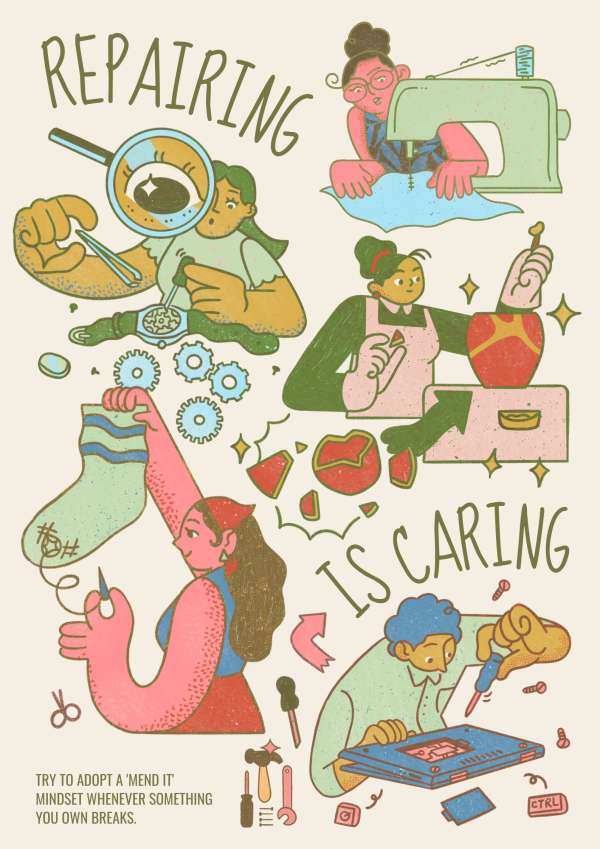
In an era dominated by fast fashion and disposable clothing, the concept of repairing garments might seem like a relic of the past. However, as awareness of environmental issues grows, so does the recognition of the importance of sustainable fashion practices. One such practice gaining momentum is the art of repairing clothes—a simple yet powerful way to reduce waste and minimize the environmental impact of our wardrobes.
The Environmental Impact of Fast Fashion
Fast fashion, characterized by its rapid production cycles and low-cost, trendy clothing, has become synonymous with overconsumption and environmental degradation. The industry’s reliance on cheap labor, synthetic materials, and intensive manufacturing processes has led to significant environmental consequences, including:
- Resource Depletion: The production of textiles requires vast amounts of water, energy, and raw materials, contributing to resource depletion and environmental degradation.
- Pollution: From chemical dyes and finishes to synthetic fibers shedding microplastics into waterways, textile manufacturing processes pollute air, water, and soil.
- Waste: The fast fashion model encourages disposable clothing, resulting in mountains of textile waste in landfills. In fact, according to the Ellen MacArthur Foundation, the equivalent of one garbage truck of textiles is landfilled or incinerated every second.
The Case for Repairing Clothes
Amidst growing concerns about the environmental impact of fashion, repairing clothes offers a sustainable alternative that aligns with the principles of reduce, reuse, and recycle. Here are some reasons why repairing clothes is an eco-friendly choice:
- Extends Garment Lifespan: Repairing a torn seam, replacing a missing button, or patching a hole can breathe new life into a garment, allowing it to be worn for longer periods.
- Reduces Waste: By repairing clothes instead of discarding them, we prevent them from ending up in landfills, where they contribute to environmental pollution and take years to decompose.
- Conserves Resources: Repairing clothes conserves the resources embedded in their production, including water, energy, and raw materials. It also reduces the need for new garments to be manufactured, which further minimizes environmental impact.
- Preserves Heritage and Craftsmanship: Embracing repair culture honors traditional craftsmanship and promotes a deeper connection to our clothing, fostering a sense of value and appreciation for the items we own.
How to Repair Your Clothes
Repairing clothes doesn’t require advanced sewing skills or expensive equipment. With a few basic tools and techniques, anyone can breathe new life into their wardrobe. Here are some simple repairs you can tackle at home:
- Sewing: Learn basic sewing techniques like stitching a seam, darning a hole, or attaching a button. Online tutorials and sewing kits make it easy to acquire these skills.
- Patchwork: Transform worn or damaged areas of clothing into decorative patches, adding character and prolonging the garment’s lifespan.
- Upcycling: Get creative by repurposing old garments into new pieces or accessories. Turn a worn-out shirt into a trendy tote bag or fashion a pair of jeans into stylish shorts.
How to Repair a Broken Jeans Zipper
Tutorial: How to repair a hole in a stuffed animal
Tutorial: How to repair small holes in knit fabric
Read all about it: Repairing and repurposing old denim jeans
DIY sewing tutorial: Basic clothes mending techniques
Tutorial: Replace Worn Out Velcro Shoe Straps
The Future of Fashion
As consumers become increasingly conscious of their environmental footprint, the demand for sustainable fashion practices continues to rise. Repairing clothes represents a practical and accessible solution that empowers individuals to make a positive impact on the planet. By embracing repair culture and adopting a mindset of mindful consumption, we can collectively work towards a greener, more sustainable future—one stitch at a time.