• Home
  • Suggest A DIY
  • DIY Newsletter

Sewing

Patterns, Techniques, Articles, Blogs, and other resources to learn how to sew

  • About CraftGossip
  • Our Network
    • Bath & Body Crafts
    • Candle Making Ideas
    • Crochet Ideas
    • Cross Stitch
    • Edible Crafts
    • Felting Patterns
    • Glass Art
    • Home & Garden Ideas
    • Indie Crafts
    • Jewelry Making
    • Kids Crafts
    • Knitting Patterns
    • Lesson Plans
    • Needlework
    • Party Ideas
    • Polymer Clay
    • Quilting Ideas
    • Recycled Crafts
    • Scrapbooking
    • Sewing Patterns
    • Card Making
    • DIY Weddings
    • Not Craft Ideas
  • Giveaways
  • Roundups
  • Store
  • Search

Tutorial: Box cushions with piping

April 11, 2017 by Anne Weaver

Tutorial: Box cushions with piping

Tutorial: Box cushions with piping

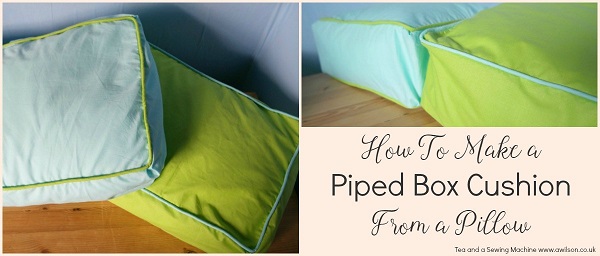
Anna from Tea and a Sewing Machine shows how you can make a boxed cushion with piping.  The piping adds a fun pop of color to the seams.  She will be using them to create a reading nook in her sons’ bedroom.  Besides just showing how to make the cover, she also shows how to make a boxed pillow insert from a standard bed pillow.

Click below for her tutorial:

How to Turn a Pillow Into a Box Cushion With Piping, by Tea and a Sewing Machine

[photo from Tea and a Sewing Machine]

Looking for more Pincushion patterns? Check out this fun sewing book for making pincushions.

Next Pattern:

  • Upcycle Tote Bags to Seat Cushions
  • 35 Christmas Throw Cushions To Make For The Holidays
  • DIY "Exploding" Fabric Box Tutorial
«
»

Have you read?

How To Sew A Slip Stitch: The Invisible Hand Sewing Stitch Every Beginner Should Know

There are a few sewing skills that feel a little bit like magic once you finally “get” them, and the slip stitch is absolutely one of them.

Also called a ladder stitch, invisible stitch, hidden stitch, or sometimes a blind stitch, this simple hand sewing technique is used when you want to close an opening or finish a hem without your stitches shouting, “Look at me, I was sewn by hand!” across the fabric.

And honestly? We have all had that moment.

You finish a beautiful cushion cover, softie, quilt binding, lined bag, or hem, and then suddenly you’re left with that last little opening. The machine can’t quite get in there neatly, the fabric is already turned right side out, and you’re holding a needle and thread wondering why the final five inches of a project always feels like the bit that judges you.

That is where the slip stitch earns its keep.

This beginner-friendly hand sewing stitch is one of those quiet finishing techniques that makes handmade projects look cleaner, neater, and more professional. It is especially useful for sewing hems by hand, closing pillows, finishing plush toys, stitching quilt binding, repairing seams, and tidying up linings on bags and garments.

If you are building your hand sewing skills, this is a very handy one to practise. You do not need fancy tools, and once your fingers understand the rhythm, it becomes surprisingly relaxing. Almost. Let’s not get too carried away — it is still hand sewing.

What Is A Slip Stitch?

A slip stitch is a small hand sewing stitch used to join folded fabric edges or attach a folded edge to a flat piece of fabric while keeping the thread mostly hidden.

The stitch “slips” in and out of the fabric folds, catching only tiny amounts of fabric at a time. When done neatly with matching thread, it becomes almost invisible from the outside.

You will often see this stitch used for:

  • hemming garments by hand
  • closing cushion covers and pillows
  • finishing soft toys and plushies
  • sewing up turning gaps
  • attaching linings
  • finishing waistbands and collars
  • hand stitching quilt binding
  • closing stuffed fabric ornaments
  • repairing small seam openings

If you have ever made a softie or fabric toy, you have probably already seen this stitch used to close the stuffing gap. This Baby Pip Teddy Bear tutorial on CraftBits is a lovely example of where a ladder stitch is used to close stuffed limbs and body openings neatly.

Slip Stitch Vs Ladder Stitch: Are They The Same?

Most sewists use the terms slip stitch and ladder stitch very casually, and in many beginner tutorials they are treated as the same thing.

Technically, there are small differences depending on whether you are stitching a folded hem to a flat fabric layer or closing two folded edges together. But for everyday sewing, especially for beginners, the goal is the same: tiny hidden stitches that close or secure fabric without showing on the right side.

Here is the simple way to remember it:

  • Slip stitch is often used for hems, bindings, linings, and folded edges.
  • Ladder stitch is often used for closing an opening between two folded edges, such as a cushion, plush toy, or bag lining.
  • Invisible stitch is the result you are trying to achieve.

So if you see these terms used interchangeably, don’t panic. Sewing terminology can be a bit like sorting a button jar — lots of similar-looking things with slightly different names.

Supplies You Need

You only need a few basic supplies:

  • hand sewing needle
  • thread that matches your fabric
  • scissors or thread snips
  • pins or clips
  • iron for pressing
  • fabric marker, if needed

For most projects, use a fine hand sewing needle and a single strand of thread. Matching thread makes a huge difference. If you are working on visible repairs or decorative fabrics, it is worth reading our guide to choosing the best thread color for invisible repairs before you start.

If you do a lot of hand sewing, a small needle book, quality thread, and sharp thread snips are well worth keeping nearby. You can usually find beginner hand sewing supplies through Amazon, sewing stores, or quilting suppliers such as Fat Quarter Shop and Connecting Threads. A self-healing cutting mat and a good pair of fabric scissors are also useful if you are preparing small sewing projects or fabric pieces.

Before You Start: Press The Fabric

This is the tiny step that makes the biggest difference.

Before sewing a slip stitch, fold the raw edge under and press it well. If you are closing a cushion or softie, tuck the seam allowance neatly inside and press or finger-press the fold.

Pressed fabric behaves better. Unpressed fabric likes to argue.

If you skip pressing, your folded edge may wobble, your stitches may show, and the finished result can look lumpy. Pressing gives your needle a clean fold to follow, which makes the stitch much easier to sew evenly.

How To Sew A Slip Stitch Step By Step

Step 1: Thread Your Needle

Cut a length of thread around 18 inches long. Longer thread sounds helpful, but it tangles more easily and can become fuzzy as you sew.

Thread your needle and knot one end.

For delicate fabrics, use a single strand of thread. For sturdier projects like cushions, plush toys, or home décor, you can use a doubled thread if you need extra strength.

Step 2: Hide The Knot

Start from inside the folded edge so the knot is hidden between the fabric layers.

Bring the needle out through the fold. This anchors your thread without leaving the knot visible on the outside of the project.

This is one of those small details that makes a handmade finish look tidy rather than rushed.

Step 3: Catch A Tiny Bit Of Fabric

Directly across from where your thread came out, take a very small stitch through the opposite fabric layer.

You only want to catch one or two threads of the fabric if you are hemming, or a tiny bite of the folded edge if you are closing an opening.

The smaller the bite, the less visible the stitch.

Step 4: Slide The Needle Through The Fold

Now insert your needle back into the folded edge, very close to where the thread came out.

Run the needle through the inside of the fold for a short distance, then bring it back out.

This hidden travel inside the fold is what makes the stitch disappear.

Step 5: Repeat Across The Opening Or Hem

Continue working back and forth:

Come out of the fold.

Catch a tiny bit of fabric across from it.

Go back into the fold.

Travel along inside the fold.

Come out again.

Repeat.

The thread will start to form little ladder-like bars across the opening. When you gently pull the thread, those bars disappear into the folds.

Do not yank the thread too tightly. That is how puckers happen, and puckers are the sewing version of a raised eyebrow.

Step 6: Keep Your Stitches Even

Try to keep your stitches small and evenly spaced. Around 1/8 inch to 1/4 inch apart works well for many sewing projects, but this depends on your fabric and what you are making.

Fine fabric needs smaller stitches.

Thicker fabric can handle slightly larger stitches.

Stuffed toys and cushions need secure stitches, especially if they will be handled often.

If you are working on a project that will be washed regularly, make the stitches close enough to hold firmly.

Step 7: Knot And Bury The Thread

When you reach the end, take a tiny backstitch or knot close to the fabric fold.

Then pass the needle through the inside of the project or hem and bring it out a short distance away. Pull gently and snip the thread close to the fabric. The thread tail will disappear inside.

This gives a clean finish with no loose thread ends showing.

Where To Use A Slip Stitch

Once you know how to sew a slip stitch, you will start noticing places to use it everywhere.

Hand Sewing Hems

A slip stitch is perfect for hand sewing hems on skirts, trousers, dresses, sleeves, and lightweight garments.

It is especially useful when you do not want a visible line of machine stitching on the outside of the garment.

This is lovely for dressy fabrics, vintage-style sewing, formalwear, or anything where you want a softer finish.

Closing Pillows And Cushions

If you sew cushion covers, throw pillows, or stuffed home décor, a ladder stitch gives the neatest closure after stuffing.

Use firm but not aggressive tension. You want the seam to close smoothly without pulling the fabric into little mountain ranges.

Finishing Soft Toys And Plushies

Softies almost always need an invisible hand-sewn closure after stuffing.

A ladder stitch is ideal because it closes the opening while hiding the thread inside the seam. For soft toy inspiration, the CraftBits Baby Pip Teddy Bear project shows how invisible stitching is used after turning and stuffing fabric pieces.

Quilt Binding

Many quilters use a slip stitch to finish the back of quilt binding by hand. It gives a beautiful soft edge and avoids visible stitching on the front.

If you enjoy handmade gifts, this same technique is useful for pot holders, table runners, mug rugs, and small quilted projects. Our roundup of Christmas pot holders to sew as gifts includes a helpful reminder that hand stitching binding can give a polished invisible finish.

Bag Linings

If you have ever made a lined tote bag, zipper pouch, or drawstring backpack, you know that turning gaps are part of the process.

Slip stitch closes those gaps neatly without needing to squash the whole project under the sewing machine again. You can use this technique after making beginner-friendly projects like this DIY drawstring backpack tutorial or a washable terry toweling makeup bag.

Invisible Repairs

A slip stitch is also very useful for mending.

Use it to close small seam openings in clothing, repair cushion seams, fix stuffed animals, or tidy up linings that have come loose.

For repairs, matching the thread matters even more. A close colour match can make the difference between “beautifully mended” and “yes, I absolutely fixed this in a hurry five minutes before leaving the house.”

Common Slip Stitch Mistakes

Pulling The Thread Too Tight

This is the biggest beginner mistake.

If your seam puckers, you are probably pulling too hard. The thread should sit snugly, not strangle the fabric.

Taking Stitches That Are Too Big

Large stitches are more visible and less secure.

If your stitches are showing, take smaller bites of fabric and keep them tucked closer to the fold.

Using The Wrong Thread Colour

A close thread match helps hide imperfect stitches.

When in doubt, choose a thread slightly darker than your fabric rather than lighter. Lighter thread tends to stand out more.

Not Pressing First

Pressed folds are easier to sew and look neater.

Yes, it means getting up and using the iron. I know. The sewing machine is right there and the iron feels miles away, even when it is two steps. But it is worth it.

Sewing Too Far From The Fold

Keep your stitches close to the folded edge. If you sew too far away, the stitch may show or the fabric may not sit flat.

Best Fabrics For Practising Slip Stitch

If you are learning, start with a medium-weight cotton fabric. Quilting cotton is ideal because it holds a crease well and is easy to see.

Avoid slippery satin, sheer fabrics, thick fleece, or stretchy knits for your first attempt. Those fabrics can be used later, but they are not the friendliest starting point.

Good practice fabrics include:

  • quilting cotton
  • cotton lawn
  • linen blends
  • lightweight canvas
  • calico or muslin
  • felt for softies and ornaments

If you have a scrap basket that has developed its own postcode, this is a perfect time to use it.

Slip Stitch Troubleshooting

My Stitches Are Showing On The Outside

Use smaller stitches and catch fewer threads of the main fabric. Also check that your thread colour matches well.

My Fabric Is Puckering

Loosen your tension. Pull the thread just enough to close the gap, but not so much that the fabric gathers.

My Thread Keeps Tangling

Use a shorter length of thread. You can also run the thread through beeswax or thread conditioner for smoother stitching.

My Opening Looks Lumpy

Check that the seam allowance is tucked in evenly before stitching. Press or finger-press the fold again if needed.

My Stitching Does Not Feel Secure

Make your stitches a little closer together and use a strong thread suitable for the fabric. For toys, cushions, and items that will be handled often, durability matters more than speed.

A Simple Practice Exercise

Cut two small rectangles of cotton fabric.

Place them right sides together and sew around the edges, leaving a small opening.

Turn the fabric right side out.

Press the edges neatly.

Use a slip stitch to close the opening.

This little sample gives you the same situation you will find in cushions, softies, fabric ornaments, and lined accessories.

Once you can close that opening neatly, you can use the same skill on real projects.

Helpful Video Resource

For a visual demonstration, this Grainline Studio tutorial on how to sew a slip stitch is a helpful reference, especially if you like seeing the needle path in photos.

You may also find this YouTube tutorial useful: How to Sew a Ladder Stitch – Slip Stitch, Blind Stitch or Invisible Stitch. Sometimes watching the movement once or twice makes the written instructions suddenly click.

Why This Stitch Is Worth Learning

The slip stitch is not flashy. It will not make your sewing machine jealous. It will not use up your fancy presser feet or require a complicated setup.

But it will make your handmade sewing projects look neater.

It is one of those finishing skills that quietly improves everything — hems, bindings, soft toys, bags, cushions, repairs, and small handmade gifts.

And the best part? You do not need to be an expert. You just need a needle, matching thread, a pressed fold, and a little patience.

Once you learn it, you will use it constantly. Probably while muttering, “Why didn’t I learn this sooner?” which is honestly how half of us learn sewing skills anyway.


Categories

Bags and purses Children's Christmas Easter fleece Free Sewing Patterns Girl's Dress Halloween Hats Home Decor No-sew Pillows Refashions Scrap Fabric sewing Sewing Patterns Sewing Techniques Skirts Softies T-shirts

RSS More Articles

  • 4 FREE Marine Creatures Digital Stamps
  • Pocket Emotional Support Chickens
  • All About Cross Stitch Project Bags
  • Get into the Details with the Sashiko Tee Knitting Pattern
  • How To Add In-Seam Pockets To A Dress, Skirt Or Pants
  • Wet Felted Hot Water Bottle Cover Tutorial Review – Gillian Gladrag
  • 12 Masculine Scrapbook Layout Ideas for Boys and Teens
  • Claire Easy Granny Stitch Cardigan Crochet Pattern Review
  • Easy Patriotic Mason Jar Cricut Craft for Summer Decorating
  • How To Sew A Tube Top: 10 Easy Tube Top Sewing Tutorials

Pick Your Blog

  • Sewing
  • Knitting
  • Quilting
  • Crochet
  • Home & Garden
  • Recycled Crafts
  • Scrapbooking
  • Card Making
  • Polymer Clay
  • Cross-Stitch
  • Edible Crafts
  • Felting
  • Glass Art
  • Indie Crafts
  • Kids Crafts
  • Jewelry Making
  • Lesson Plans
  • Needlework
  • Bath & Body
  • Party Ideas
  • Candle Making
  • DIY Weddings
  • Not Craft
  • Free Craft Projects

Copyright © 2026 · CraftGossip | Start Here | Contact Us | Link to Us | Your Editors | Privacy and affiliate policy