• Home
  • Suggest A DIY
  • DIY Newsletter

Sewing

Patterns, Techniques, Articles, Blogs, and other resources to learn how to sew

  • About CraftGossip
  • Our Network
    • Bath & Body Crafts
    • Candle Making Ideas
    • Crochet Ideas
    • Cross Stitch
    • Edible Crafts
    • Felting Patterns
    • Glass Art
    • Home & Garden Ideas
    • Indie Crafts
    • Jewelry Making
    • Kids Crafts
    • Knitting Patterns
    • Lesson Plans
    • Needlework
    • Party Ideas
    • Polymer Clay
    • Quilting Ideas
    • Recycled Crafts
    • Scrapbooking
    • Sewing Patterns
    • Card Making
    • DIY Weddings
    • Not Craft Ideas
  • Giveaways
  • Roundups
  • Store
  • Search

Tutorial: Fix for a too tight turtleneck

January 22, 2016 by Anne Weaver

Tutorial: Fix for a too tight turtleneck

Tutorial: Fix for a too tight turtleneck

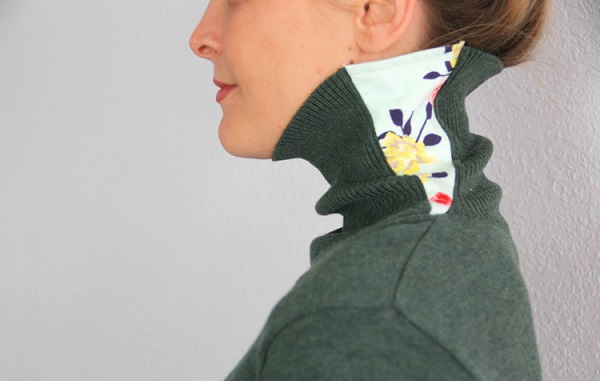
Turtlenecks certainly do a good job of keeping your neck warm (and the cold out), but if they fit snug they kinda make me feel like I’m being choked.  Breath or warmth, it’s a hard choice for a cold natured body like mine.  Jess from The Sewing Rabbit has a solution.  She adds a little gusset to the sides of a purchased turtleneck to give it a little extra breathing room at the neck.  Brilliant!  Use a contrast-y fabric to make the gusset a fun detail.

Click below for her tutorial:

How to Make a Turtleneck Larger, by The Sewing Rabbit

[photo from The Sewing Rabbit]

Altering out-of-date clothing, or clothing that does not fit, is an important part of sustainability because it helps to reduce waste and prolong the life of clothing items. Instead of throwing away clothes that no longer fit or are no longer in style, altering them allows them to be worn again and keeps them out of landfills. Upcycling and reusing clothes also reduces the need for new resources to be used to produce new clothing items, which has a positive impact on the environment.

Altering out-of-date or ill-fitting clothing also allows for personal expression and creativity. By upcycling and reusing clothing items, you can give them a new look and make them unique, which is more sustainable than buying new clothing. This not only reduces the environmental impact of fast fashion, but it also allows you to have a wardrobe that is truly personal and reflective of your own style.

Altering out-of-date clothing can also save you money. By updating your wardrobe with items you already own, you can save money on buying new clothes and reduce your carbon footprint. It is an affordable way to have a sustainable wardrobe.

Altering clothing is an important part of sustainability. It helps to reduce waste, prolong the life of clothing items, and reduce the need for new resources to be used to produce new clothing items. It allows for personal expression, and creativity and is an affordable way to have a sustainable wardrobe. By adopting the practice of altering, upcycling and reusing our clothes, we can make a positive impact on the environment and reduce our own carbon footprint.
 

Next Pattern:

  • How To Fix Kids' Pants That Are Too Big - Sewing Tutorial
  • Turtleneck Top Free Sewing Pattern
  • This Free Bunny Bag Pattern is Too Cute to Pass Up…
«
»

Comments

  1. Anastasia says

    January 22, 2016 at 2:15 pm

    Such a great idea! Looks very pretty

    http://youthfulblog.blogspot.com/

Have you read?

Sewing Pattern Saturday Review: DIY Reusable Period Pad Sewing Pattern

Sewing Pattern Saturday is my weekly way of highlighting independent Etsy designers who are creating sewing patterns that are thoughtful, practical, and genuinely useful in everyday life. These reviews are written from a real sewist’s perspective, looking beyond the listing photos to how the pattern actually works, who it’s suited for, and whether it’s something you’d realistically make and use. It’s also about supporting small businesses on Etsy who are offering well-designed alternatives to mass-produced products.

This week’s feature is a DIY Reusable Period Pad Sewing Pattern, and it’s one of those patterns that quietly makes a lot of sense once you look a little closer.

First Impressions

At first glance, this pattern is very clear and purpose-driven. The shape is familiar, the design is straightforward, and everything about it feels intentional rather than overcomplicated. It’s not trying to be decorative or trendy. Instead, it focuses on comfort, practicality, and functionality, which is exactly what you want in a reusable period product.

The pattern includes multiple size options, which is a big plus. Being able to sew pads for different flow levels or personal preferences makes this pattern far more useful than a single-size design.

Practical Use & Everyday Wear

Reusable period pads are one of those handmade items that really earn their keep. Once you’ve made a few and figured out what works best for you, they become part of a routine rather than a novelty project.

This pattern is designed with everyday wear in mind. The shape looks comfortable and secure, and the snap placement makes them easy to use with regular underwear. They’re suitable for daytime use, overnight protection, or lighter flow days, depending on the size and fabric combination you choose.

They’re also discreet, washable, and reusable, which makes them appealing for anyone looking to reduce waste or save money over time.

Skill Level & Sewing Experience

This pattern is well suited to confident beginners and up.

You’ll want to be comfortable with:

  • Sewing curves

  • Layering fabrics accurately

  • Using a zigzag or stretch stitch

  • Installing snaps or fasteners

While the pieces are small, accuracy matters. Taking your time with cutting and stitching makes a big difference to comfort and durability. That said, this isn’t a difficult pattern, and it’s very manageable if you’ve sewn basic items before.

Instructions & Pattern Design

The pattern design is clean and practical, with clearly defined pieces and logical construction steps. This is the kind of pattern that becomes easier with each one you make. Once you’ve sewn your first pad, the rest come together quickly.

Because the pads are relatively small, it’s also a great project for using up fabric scraps, especially flannel, cotton, or absorbent layers you already have on hand.

Fabric Choices & Customisation

Fabric choice plays a big role in comfort and absorbency, and this pattern allows for plenty of flexibility. It works well with:

  • Cotton or flannel for the top layer

  • Absorbent cores like bamboo or terry

  • Waterproof or water-resistant backing if preferred

You can easily customise thickness, absorbency, and size to suit your needs. It’s also a nice pattern to personalise with colours or prints that feel calm and comfortable rather than clinical.

Finished Result & Long-Term Use

Once finished, these pads feel sturdy, reusable, and genuinely practical. They’re the kind of handmade item that doesn’t sit in a drawer unused. Instead, they quietly become part of your routine.

They also wash well when sewn carefully, which is essential for something designed to be used again and again.

Is This Sewing Pattern Worth Making?

If you’re looking for a reusable period pad sewing pattern that is straightforward, customisable, and genuinely useful, this one is a solid choice. It’s practical, well thought out, and ideal for anyone wanting to sew eco-friendly alternatives for everyday life.

This DIY Period Pad Sewing Pattern fits perfectly into Sewing Pattern Saturday. It’s not flashy, but it’s meaningful, functional, and exactly the kind of project that shows how powerful handmade sewing can be.

Pattern name: DIY Reusable Period Pad Sewing Pattern
Available on: Etsy
Best suited to: Confident beginners and intermediate sewists interested in eco-friendly sewing projects.

Categories

Bags and purses Children's Christmas Easter fleece Free Sewing Patterns Girl's Dress Halloween Hats Home Decor No-sew Pillows Refashions Scrap Fabric sewing Sewing Patterns Sewing Techniques Skirts Softies T-shirts

RSS More Articles

  • How to Bind a Junk Journal (5 Easy Methods for Beginners)
  • Sewing Pattern Saturday Review: DIY Reusable Period Pad Sewing Pattern
  • Using Pizza and Pretend Play to Learn about Fractions
  • 12 Matcha-Flavoured Recipes To Try At Home
  • Free Crochet Summer Tops, Tees And Beachwear Patterns To Make This Season
  • Vintage Knitted Lace Stole Pattern PDF – A Romantic 1950s Bridal Shawl
  • How to Make Cute Shaped Insect Cards (with bonus shakers)
  • Designer Spotlight: Non Stop Stitch
  • Free Felting Tutorial Friday: Wool Needle Felted Acorns
  • Knit a Little Scarf Full of Luxury

Pick Your Blog

  • Sewing
  • Knitting
  • Quilting
  • Crochet
  • Home & Garden
  • Recycled Crafts
  • Scrapbooking
  • Card Making
  • Polymer Clay
  • Cross-Stitch
  • Edible Crafts
  • Felting
  • Glass Art
  • Indie Crafts
  • Kids Crafts
  • Jewelry Making
  • Lesson Plans
  • Needlework
  • Bath & Body
  • Party Ideas
  • Candle Making
  • DIY Weddings
  • Not Craft
  • Free Craft Projects

Copyright © 2026 · CraftGossip | Start Here | Contact Us | Link to Us | Your Editors | Privacy and affiliate policy