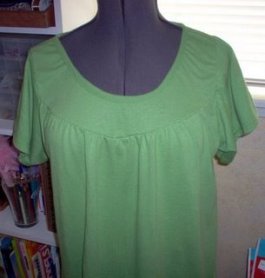
 moon>sun shows how to refashion a big, boxy tee into a cute baby-doll tee. I love how the body of the tee is gathered on the yoke! Get the how-to.
[photo from moon>sun]
[via Totally Tutorials]
[tags]
Patterns, Techniques, Articles, Blogs, and other resources to learn how to sew
moon>sun shows how to refashion a big, boxy tee into a cute baby-doll tee. I love how the body of the tee is gathered on the yoke! Get the how-to.
[photo from moon>sun]
[via Totally Tutorials]
[tags]

Are you looking to make your first dress or just craving a quick, stylish sewing project? The Simple Shift Dress tutorial from Sew Essential is the perfect starting point! This tutorial walks you through each step of the process, making it an ideal choice for both beginners and seasoned sewers looking for a no-fuss yet fashionable creation. Shift dresses are known for their timeless design and flattering shape, making them a wardrobe staple for many. Whether you’re preparing for a casual outing or a special event, this dress can be made to suit any occasion.
What makes this project so beginner-friendly? The instructions are clear, straightforward, and easy to follow. Plus, the pattern is simple, so you don’t need advanced sewing skills to create a stunning dress that looks professionally made. The straight lines and minimal shaping allow for a great deal of customization, so you can tweak the design to fit your personal taste, whether by experimenting with different fabrics or adding fun details like pockets, a belt, or a decorative hem.
For a more comfortable and tailored fit, you can also adjust the sleeve length, neckline, or hemline to suit the season or your style preferences. This shift dress pattern is incredibly versatile, offering you a broad canvas to explore your creativity in garment sewing.
And if you’re wondering about fabric, this project works beautifully with a variety of materials! Lightweight cotton, linen, jersey, or even a heavier fabric for cooler months—this shift dress can adapt to different textures and colors to create a unique piece that reflects your personality.
So, if you’re eager to enhance your sewing skills with a dress that’s both simple and stylish, be sure to check out Sew Essential’s Simple Shift Dress tutorial. This project is sure to build your confidence in dressmaking while delivering a stunning end result you’ll want to wear again and again! Happy sewing!
Free pattern: Simply Shift Dress
Sewing Pattern Tutorial: Scalloped shift dress
Shift dress pattern, linen dress pattern, PDF sewing patterns