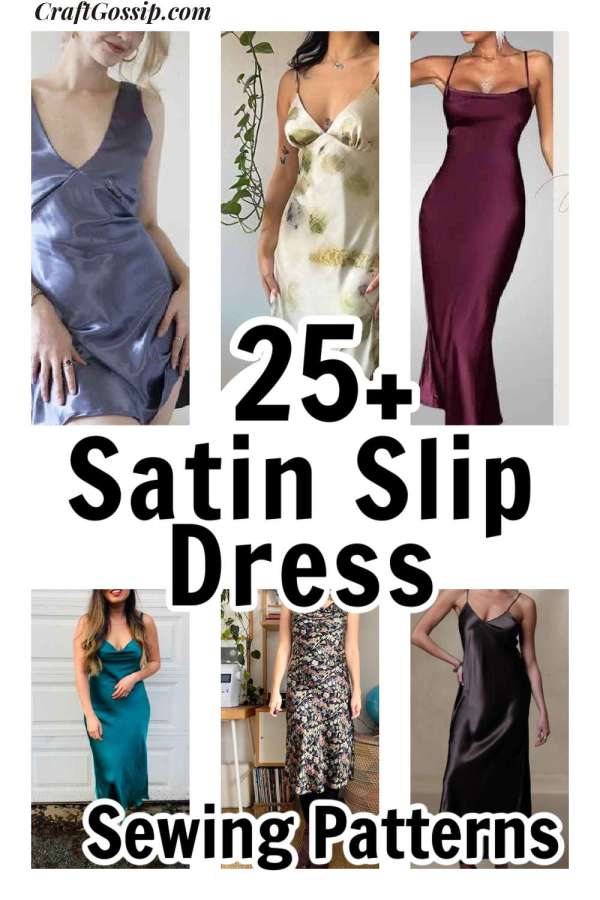
Satin fabric exudes an aura of elegance and sophistication, making it the fabric of choice for luxurious slip dresses that grace the body with fluidity and grace. However, sewing with satin demands precision and finesse to ensure a flawless outcome. Before embarking on the journey of creating your satin slip dress, it’s essential to acquaint yourself with the intricacies of working with this exquisite fabric. Here are some indispensable tips to guide you through the process and help you achieve perfection in your satin sewing endeavors.
Satin fabric is distinguished by its smooth, glossy surface, achieved through a special weaving technique. Contrary to popular belief, satin isn’t limited to silk; it can be crafted from various fibers, including polyester, acetate, and even cotton. Each type of satin possesses unique characteristics, such as drape and sheen, which influence its behavior during sewing. Before beginning your project, take the time to familiarize yourself with the specific properties of the satin you’re working with to anticipate how it will behave and tailor your sewing approach accordingly.
Before cutting into your precious satin fabric, ensure that you have all the necessary tools and supplies at hand. Use a sharp pair of fabric scissors or a rotary cutter with a fresh blade to achieve clean, precise cuts. Additionally, invest in high-quality pins—preferably fine silk pins—to minimize the risk of snagging and visible pin marks on your delicate fabric. Taking the time to prepare your workspace and gather your materials will set the stage for a smooth and successful sewing experience.
Satin’s smooth and slippery surface can pose challenges during the cutting process. To prevent shifting and distortion, it’s best to cut your satin fabric one layer at a time. Use pattern weights to secure your fabric in place and maintain accuracy, and consider employing tailor’s chalk or disappearing ink to mark your pattern pieces without leaving permanent traces. Taking a methodical approach to cutting will ensure that your satin slip dress is crafted with precision and attention to detail.
Selecting the right needle and thread is crucial for achieving impeccable results when sewing with satin. Opt for a fine needle, such as a universal or microtex needle, to minimize visible puncture marks and prevent fabric damage. Likewise, choose lightweight thread that matches the color of your satin fabric to create seamless and inconspicuous seams. Conducting a test stitch on a scrap piece of satin will allow you to fine-tune your needle and thread choices before sewing your garment, ensuring optimal performance and a professional finish.
When sewing satin, it’s important to adjust your machine’s tension settings to achieve smooth and even stitches. Excessive tension can cause puckering and distortion, compromising the overall appearance of your garment. Experiment with reducing the tension slightly until you find the perfect balance that yields flawless seams and preserves the integrity of the fabric. Additionally, consider using a walking foot or a specialized satin foot to prevent fabric slippage and ensure precise stitching throughout your project.
Proper pressing is essential for shaping and refining your satin slip dress. However, satin is sensitive to heat and moisture, so it’s crucial to approach pressing with caution. Avoid using steam, as it can leave unsightly water spots on your fabric and alter its luster. Instead, opt for a dry iron set to a low heat setting and use a pressing cloth to protect the surface of your satin. Gently press your seams and darts from the wrong side of the fabric to achieve smooth and polished results without compromising the integrity of the fabric.
Satin Slip Dress from a Vintage Sewing Pattern
DIY SLIP DRESS – Stretch Knit Slip + PDF Sewing Pattern
The Hana Bias Cut Dress – Free Sewing Pattern
The Coral Bell Slip Dress – Free Sewing Pattern
The Ruby Slip – Free Pattern and Sewalong!
DIY Silk Slip Dress | Collective Gen
Trash To Couture: DIY Slip Dress with Lace
The Slip Dress Pattern Free PDF and Tutorial you’ll definitely love.
DIY Lace Trimmed Satin Slip Dress Sewing Tutorial
Slip Dress – Free Sewing Pattern – Do It Yourself For Free
Shasheen maxi slip dress – free PDF sewing pattern – Tiana’s Closet
DIY SLIP DRESS tutorial + PDF PATTERN [Sizes 4-18] ~ THE ZOEY MINI DRESS
How to make the Sadie Slip Dress by Tessuti Fabrics – Marsha Style
Are You Ready for Valentine’s Day? Here’s a Free Sexy Dress Pattern | So Sew Easy
Floral Silk Satin Sicily Slip Dress
DIY cowl neck silk dress | Kristy dress sewing tutorial | + printable PDF pattern
DIY Velvet Slip Dress – Catarina Dress by Seamwork — Sew DIY
As you near the completion of your satin slip dress, take care to finish your seams and hems with precision. Satin has a tendency to fray, so it’s essential to secure your seams to prevent unraveling and ensure the longevity of your garment. Consider using a serger or overlock machine to encase raw edges, or opt for French seams for a clean and professional finish. When hemming your dress, employ techniques such as a narrow rolled hem or a blind hem to achieve a seamless and elegant edge that complements the fluidity of the fabric.
Sewing with satin requires patience, practice, and a willingness to embrace the process. Mistakes may happen along the way, but each challenge presents an opportunity to refine your skills and elevate your craftsmanship. Approach your satin slip dress project with confidence and enthusiasm, knowing that with careful attention to detail and a steadfast commitment to excellence, you can create a garment that embodies the timeless allure and sophistication of satin fabric.
Sewing a satin slip dress is a labor of love that rewards meticulous attention to detail and craftsmanship. By understanding the unique characteristics of satin fabric and employing the right techniques, you can transform this exquisite material into a garment that exudes elegance and grace. With patience, practice, and a touch of creativity, your satin slip dress will become a timeless wardrobe staple that embodies the beauty and sophistication of satin fabric for years to come.