 Neeza from Neeza Needles shows how to make a ringsling baby carrier. The gorgeous fabric she uses in her example is repurposed from a pareo (wrap skirt). Get the tutorial.
[photo from Neeze Needles]
Patterns, Techniques, Articles, Blogs, and other resources to learn how to sew
Neeza from Neeza Needles shows how to make a ringsling baby carrier. The gorgeous fabric she uses in her example is repurposed from a pareo (wrap skirt). Get the tutorial.
[photo from Neeze Needles]
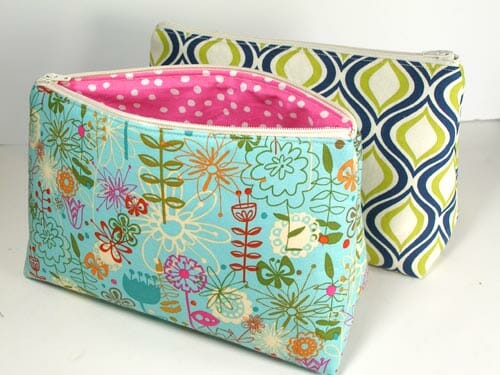
The bag is simple, uses very little fabric (about 2/3rds of a fat quarter), has no fussy inside pockets (although you can add your own if you like), and takes me well less than 30 minutes to print the pattern, cut out and sew. But quick and simple doesn’t mean it’s not awesome!
It’s the sort of bag that is versatile enough to be used for lots of applications, not just cosmetics and toiletries. Keep all your pens and pencils in order, use it for a small first aid kit for the car, keep it in your desk at work for a few headache pills and other personal supplies.
Make some for yourself, for gifts or to sell.
I’m concerned about her lack of details in regards to sewing a baby carrier safely. While she uses Sling Rings, she crafts the shoulder of the carrier by sewing on another piece–the shoulder bears much of the baby’s weight, and this could cause the shoulder to rip. Also, there is nothing mentioned about using strong, quality thread, and the stitches needed to make sure the sling will hold. While the fabric is absolutely beautiful, the tutorial itself is very weak.
While it is true that there is a seam at the shoulder, it is double-stitched (two lines of stitching) so if the first line should fail, the second would hold. It’s also been my experience that when seams do rip, they rarely fail all of a sudden. Instead, the wearer should be able to notice strain on the seam and be able to take appropriate steps before anything rips. As with any products (handmade or store-bought) for baby, parents should pay attention to normal wear and tear to make sure that it functions properly and safely for baby.